
Healthcare workers, Korean Americans mobilize against federal reductions that could shutter clinics and eliminate care for millions
By Chase Karng
May 14, 2025
“We can’t survive without Medicaid.”
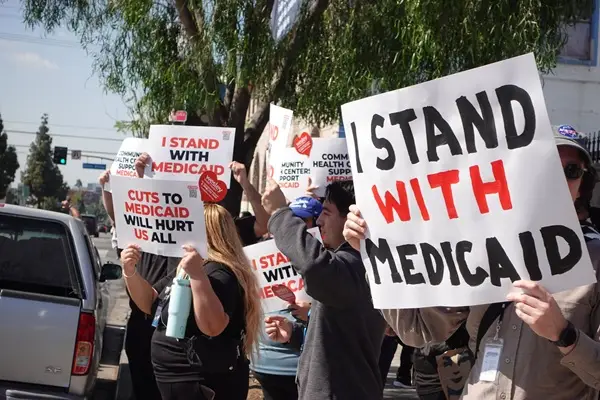
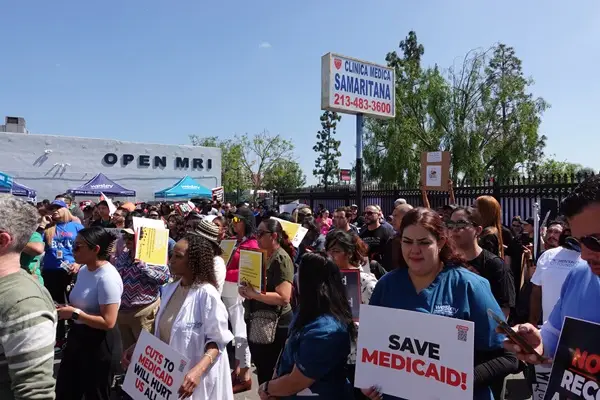
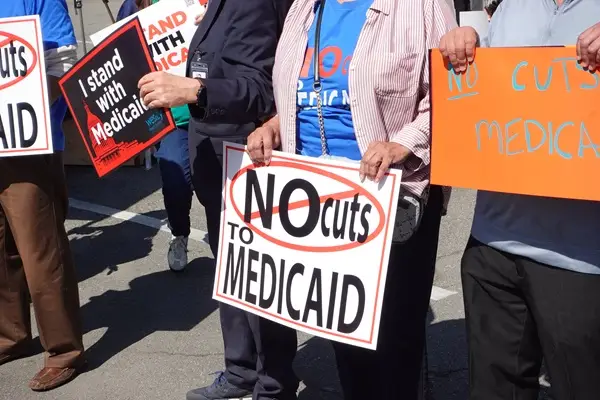
That was the message echoed by more than 500 people on the morning of June 14, as they gathered near the intersection of Vermont Avenue and Santa Monica Boulevard, close to Los Angeles City College. The crowd included patients, healthcare workers, advocates, and Korean American residents, all calling on Congress to stop the proposed cuts to Medicaid.
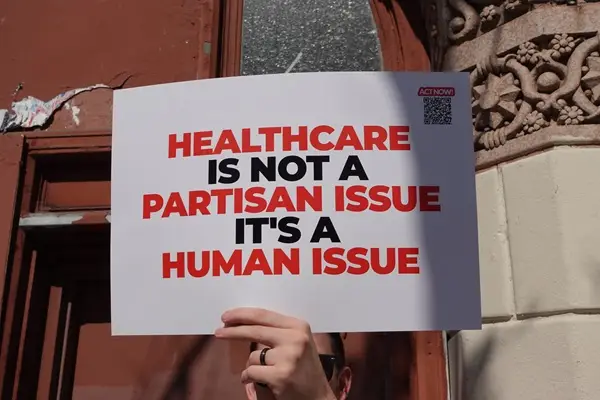
Holding signs and chanting slogans, demonstrators said the cuts were not just a budget decision. They described them as a life-or-death issue for low-income families, seniors, immigrants, and people with chronic conditions.
Clinics on the Brink
“This isn’t about numbers on a spreadsheet. It’s about people losing access to doctors, prescriptions, and treatment,” said Kyuri Lee, a provider at St. John’s Community Health. “If these cuts go through, we won’t be able to serve the people who need us most.”
Staff at Kheir Clinic in Koreatown are also concerned. One employee explained that the clinic serves many Korean and Latino residents who already face barriers to care. She warned that patients may begin skipping treatment and that the clinic itself could be forced to reduce services or even shut down.
Mark Lee, communications director at Mission City Community Network (MCCN), said undocumented immigrants and people living just above the poverty line would likely be affected first. He noted that many families are already choosing between groceries and medication.
Real Lives, Real Stakes
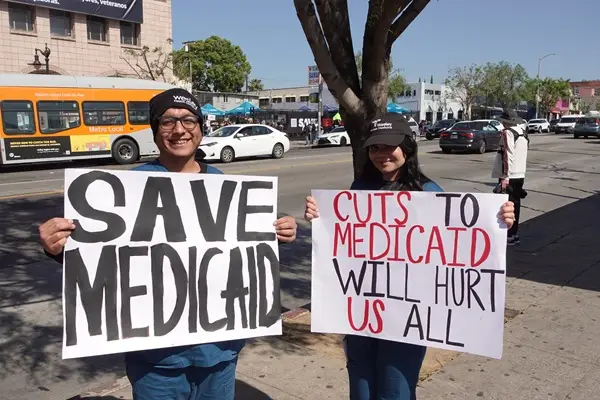
For some protesters, the issue felt deeply personal. Angelina Martinez shared that Medicaid helped her family stay healthy during the pandemic and also supported her through a serious heart condition. She said healthcare should be a basic human right, not a privilege.
Christopher Ewing shared a similar experience. He suffered from severe spinal stenosis and could barely walk until he received treatment through Medicaid. Now, he’s able to live independently.
“It’s not a waste,” he said. “Medicaid helps people recover. It prevents bigger problems and supports the entire community.”
A Financial Domino Effect
Max Almira, chief financial officer at MCCN, warned that cuts to Medicaid would hurt more than just individual patients. He said healthcare providers would see fewer patient visits, which would lead to major revenue losses and threaten the future of clinics.
According to the Urban Institute, hospitals could lose an estimated $31.9 billion in revenue by 2026. During that same time, the cost of unpaid care could rise by $6.3 billion.
Rob Lester, senior director at the Men’s Health Foundation, said that 30 to 40 percent of their patients rely on Medicaid. He warned that treatment interruptions, especially for patients with HIV, could lead to serious health crises, including preventable infections.
Long-Term Costs and Widening Gaps
Beyond the immediate financial impact, healthcare advocates are concerned about long-term effects. A study by the Department of Health and Human Services found that Medicaid covers nearly half of all children in the U.S. and more than 40 percent of all births. Access to Medicaid in childhood has been linked to better health, higher educational attainment, and stronger employment outcomes in adulthood.
Sho Omoto, an administrative assistant at Wesley Health Centers, said Asian American communities, including Korean Americans, would also feel the impact. He explained that chronic conditions like diabetes and high blood pressure require regular treatment, and any funding reduction would raise out-of-pocket costs and worsen health disparities.
“We’re not just looking at budget numbers,” he said. “We’re looking at people’s lives.”