
By Brian Jun
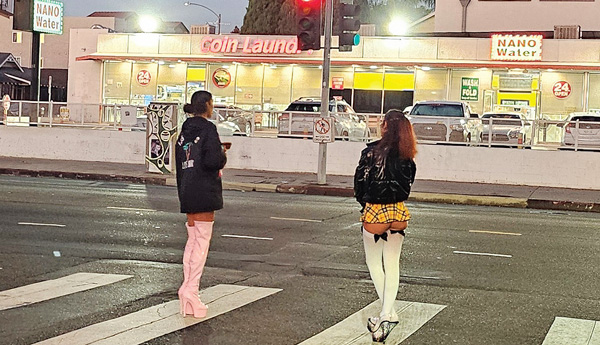
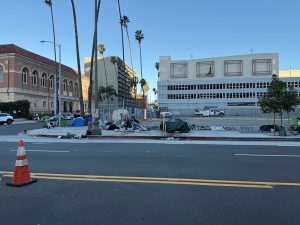
It was a bright Friday afternoon in Los Angeles. The sun bathed Wilshire Boulevard in gold, and I was heading toward Western Avenue, expecting a refreshing lunch break. But as I turned the corner, the mood collapsed in seconds.
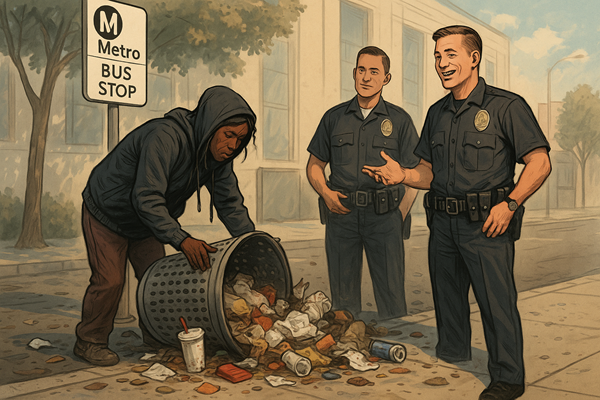
A stench — acrid, stale, unmistakably human — rose from the sidewalk. A woman, either homeless or suffering from mental illness, was pulling garbage out of a Metro bus stop trash can, scattering food waste and debris across the pavement.
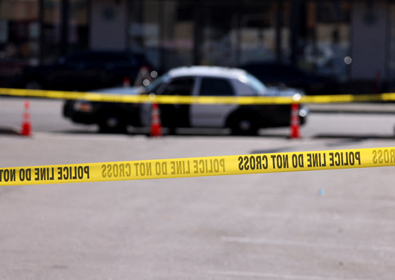
And right next to her stood two LAPD officers.
Smiling. Chatting.
Startled and frustrated, I asked one of them, “Sir, shouldn’t you stop her? This is insane.”
He laughed and said, “This is L.A.”
Trying to process that, I asked again, “Then what are police for?”
His answer?
“We only handle high-profile crimes.”
That was the moment I realized — in today’s Los Angeles, everyday disorder is no longer a concern for law enforcement.
It has become… tolerated. Normalized. And worst of all, ignored.
Where Law and Order Go to Die
What I witnessed was more than just one incident.
It’s a symbol of a city unraveling.
Public disorder is now part of the landscape. Trash on sidewalks. People in mental crisis yelling at traffic.
And when you ask those in uniform to step in, they tell you, with a smile, that your concerns are beneath their pay grade.
We’ve entered a bizarre new phase of “justice,” shaped by progressive policies that claim to protect human rights — but often forget about the rights of everyday citizens.
In this version of justice:
- Homeless individuals have the “right” to live in squalor.
- Mental illness is treated with passive tolerance, not intervention.
- Minor crimes are dismissed as unworthy of enforcement.
And who pays the price?
You. Me. Our children. Our communities.
Good Job, California Democrats.
This is the fruit of years of progressive policymaking in California.
Laws that prevent police from intervening unless it’s a felony.
Bureaucrats who fear lawsuits more than they value public safety.
Politicians more concerned with virtue signaling than solving problems.
The result?
Police have become spectators.
Civility has become optional.
And citizens — law-abiding, tax-paying citizens — are left wondering whether anyone still has their back.
“This Is L.A.” — A Warning, Not a Joke
The officer’s words still ring in my ears:
“This is L.A.”
But it wasn’t just a statement of location.
It was a verdict. A warning. A resignation.
We are no longer just talking about a city with problems.
We are talking about a city where the system itself has stepped back — leaving residents to fend for themselves while order crumbles around them.
If this is what modern progress looks like, maybe it’s time we rethink what we’re progressing toward.