
“Ending Crime and Disorder on America’s Streets” — White House Declares End to ‘Housing First’ in Favor of Forced Relocation and Treatment
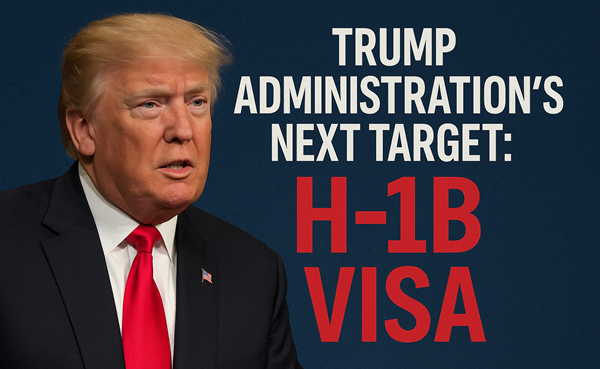
Washington D.C., July 24 – President Donald Trump has signed a sweeping executive order aimed at “ending crime and chaos on America’s streets,” marking a decisive break from the federal government’s long-standing “Housing First” approach to homelessness.
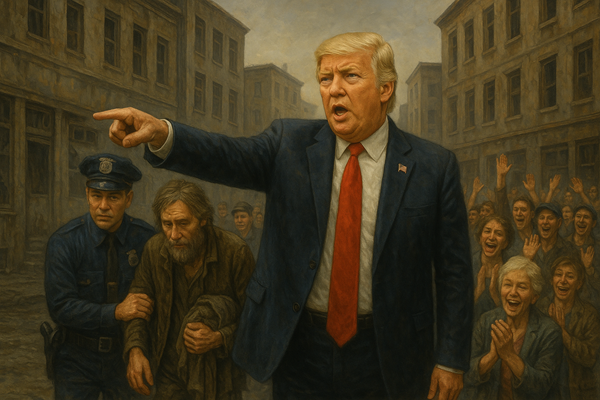
The order authorizes state and local governments to forcibly remove homeless individuals from public spaces and encampments and, when necessary, place them into treatment facilities or rehabilitation centers. States that aggressively crack down on disorderly behavior—such as drug use and camping in public—will receive prioritized federal funding.
The mandate also emphasizes immediate removal of encampments from federal land and calls for long-term care for homeless individuals suffering from mental illness or addiction. A White House spokesperson declared, “We will rid our cities of fear and disorder, and drive criminals who sleep on our streets out for good.” With the U.S. Supreme Court recently upholding anti-encampment laws, Trump’s directive is expected to gain further momentum.
Resistance from California, New York: “Criminalizing Homelessness Is Inhumane”
Progressive cities such as Los Angeles, San Francisco, and New York, along with homeless advocacy organizations, have denounced the executive order, claiming it effectively criminalizes homelessness and deepens social exclusion.
In cities like Chicago and Houston—where forced removals are already underway—the cost per individual has soared to $1,672–$6,208, with 91–97% of that burden falling on local governments. Critics argue that “encampments reappear within weeks,” questioning the policy’s long-term effectiveness.
Public health experts warn that forced relocation and involuntary institutionalization may worsen mental health issues and foster greater isolation among the homeless. They emphasize that ignoring integrated housing and treatment models, like Housing First, may lead to even greater long-term national costs and social harm.
Debate Grows: “What About Citizens’ Rights?”
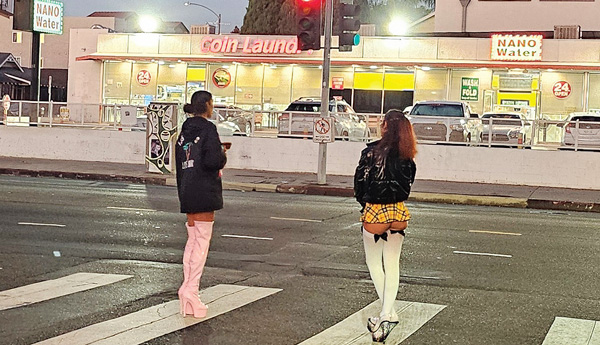
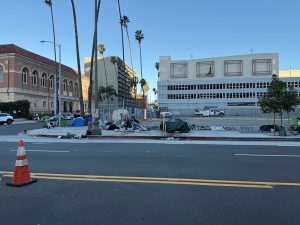
Public frustration is mounting as major U.S. cities see worsening urban decay, growing encampments, and spikes in open-air drug use and petty crime. Citizens across Los Angeles, San Francisco, and other metro areas are voicing concern over safety, declining property values, and the shrinking of tourism.
Many argue that while homeless rights must be respected, the rights of everyday citizens to live in clean, safe environments must also be defended. Calls are growing louder for stronger enforcement and more effective policies.
Still, civil liberties advocates caution against overreach, pointing out that without sufficient healthcare, housing, and employment systems, aggressive crackdowns will only stigmatize the vulnerable and drive the crisis underground.
A Call for Balanced Solutions and Transparent Dialogue
Experts say the solution lies not in mass evictions or punitive enforcement, but in nuanced strategies that combine housing, treatment, and social support.
They urge federal and local policymakers to pursue integrated systems that distinguish between chronic offenders, mentally ill individuals, and those in need of temporary help. Above all, they stress the need for social consensus and transparent policymaking that prioritizes both public safety and human dignity.
#TrumpHomelessOrder #EvictionPolicy #CitizenRights #HomelessRights #PublicSafety #HousingCrisis #SocialConsensus #MentalHealthPolicy #AddictionTreatment #UrbanDisorder