
Byline: B. Jun
Over the past decade, a quiet but undeniable transformation has been taking place in Los Angeles. At first glance, the city’s new policies—expanding public transit, implementing rent control, taxing vacant properties—seem well-intentioned.
But when viewed as a whole, they reveal a more unsettling pattern: a deliberate restructuring of the city’s social and economic fabric.
Los Angeles, once the quintessential American city of cars, homes, and upward mobility, now appears to be moving toward a model that favors a permanent underclass dependent on government services.
Consider the facts:
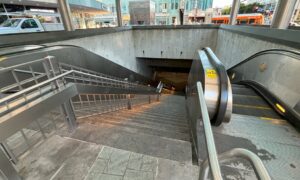
- Metro expansion funded by ballooning public debt, while simultaneously increasing congestion pricing and cutting down on private vehicle use.
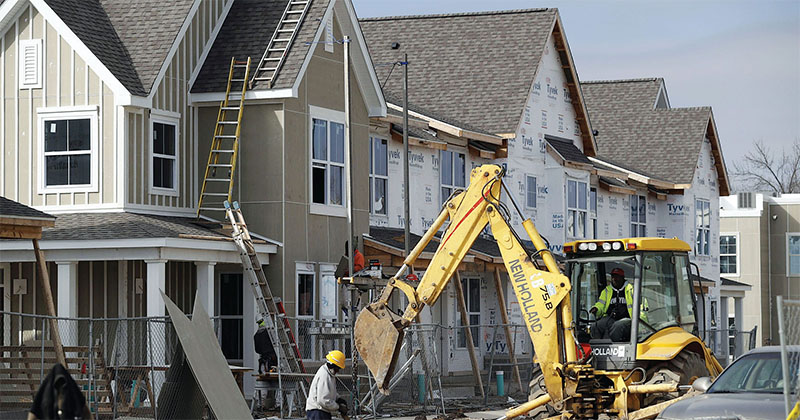
- Property tax hikes and strict regulations that make home ownership increasingly burdensome for middle-income families.
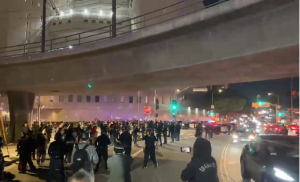
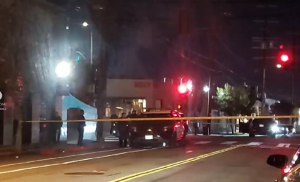
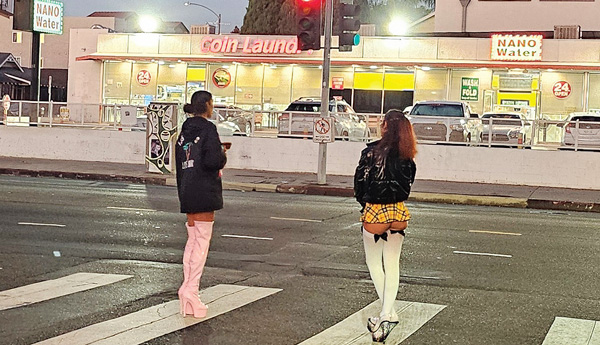
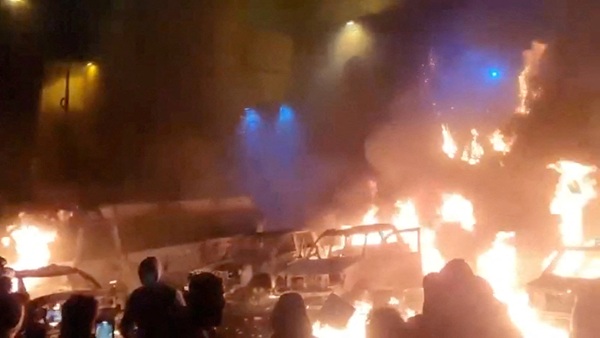
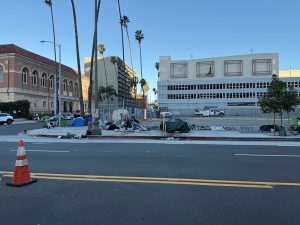
- Law enforcement reforms that reduce penalties for petty crimes, leading to a sense of lawlessness in areas like Downtown LA.
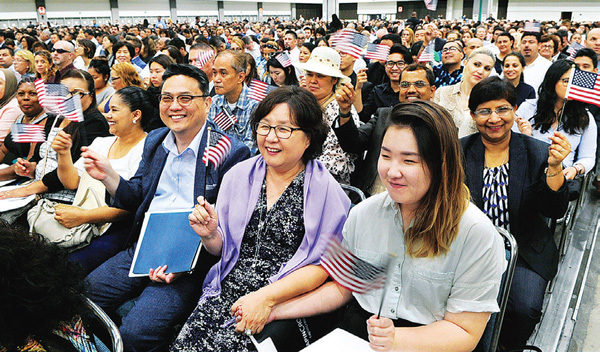
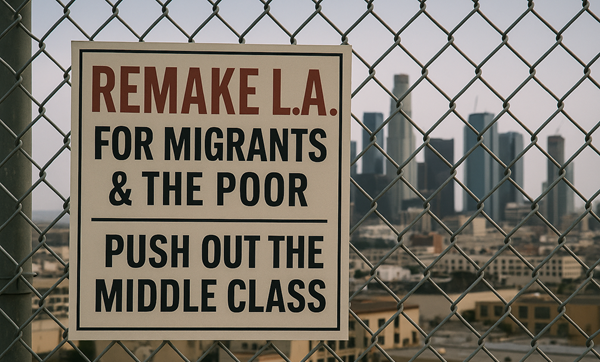
The result? Middle-class families—many of whom have lived in the city for generations—are quietly packing up and leaving. In their place, a new wave of low-income residents and newly arrived immigrants are moving in, drawn by subsidized housing and social services.
Some might argue this is just the natural evolution of a modern city. But the cumulative effect feels less like evolution and more like intentional design. Policies that punish ownership and reward dependency do not arise by accident. They reflect a particular ideological vision—one where private property is gradually devalued, car ownership is discouraged, and government becomes the ultimate landlord and employer.
If this sounds far-fetched, just look north to San Francisco. Once a beacon of prosperity, now struggling with vacant office buildings, collapsing retail, and entire blocks hollowed out by crime and neglect. LA appears poised to follow the same script—unless the city’s remaining middle class speaks up and demands a course correction.
What’s at stake here is more than property values or traffic patterns. It’s the core idea of Los Angeles as a city where ordinary people could build lives, buy homes, raise families, and pursue opportunity.
That vision is quietly being dismantled. Whether by accident or by design, LA’s future now hangs in the balance.