
The era of buying votes through welfare and funding it with taxes may be ending
#DemocraticPartyCrisis #WelfarePolitics #TaxExodus #CaliforniaCollapse #MiddleClassFlight #UrbanDecay #BlueStateDecline #TheEndOfTaxAndSpend #PublicSafetyCrisis #AmericaAtACrossroads
The Democratic Party’s long-standing governing strategy — raising taxes on the wealthy to fund benefits for its voter base — is showing serious signs of strain.
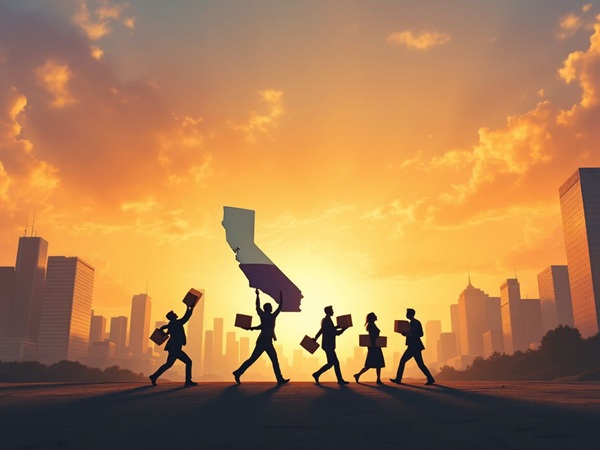
In Democrat-led states like California, New York, and Illinois, the exodus of high-income earners and businesses is accelerating, calling into question the sustainability of the tax-and-redistribute model.
The Wealthy Are Leaving. What’s Left? Debt and Demands
California has been facing multi-billion-dollar revenue shortfalls since 2023.
At the same time, the middle class is shrinking, burdened by taxes and skyrocketing living costs — many are simply packing up and leaving.
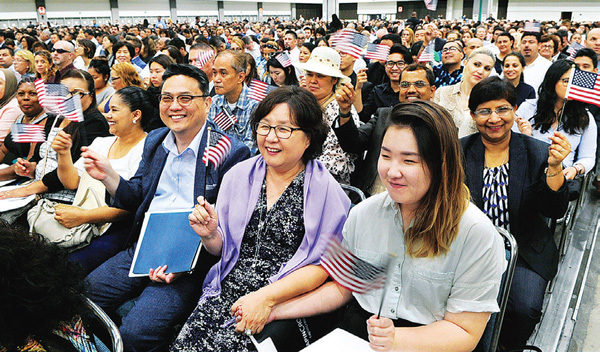
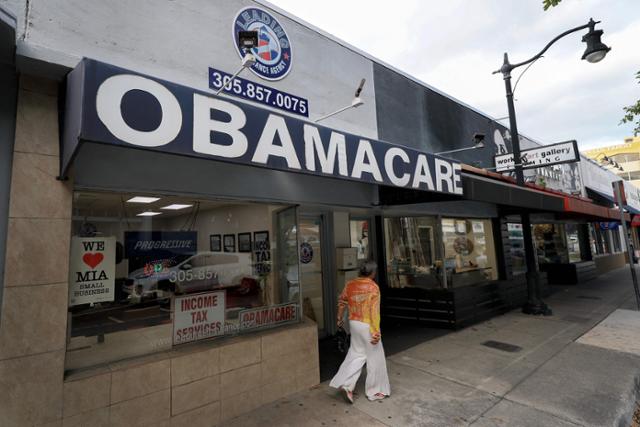
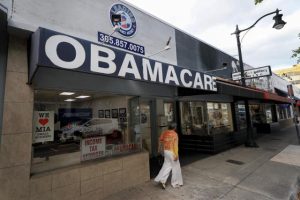
Yet, the Democratic base — public unions, low-income communities, immigration advocates, and progressive groups — continues to demand expanded welfare, including free healthcare, housing, and guaranteed income.
Cities in Decline: When Redistribution Becomes Destruction
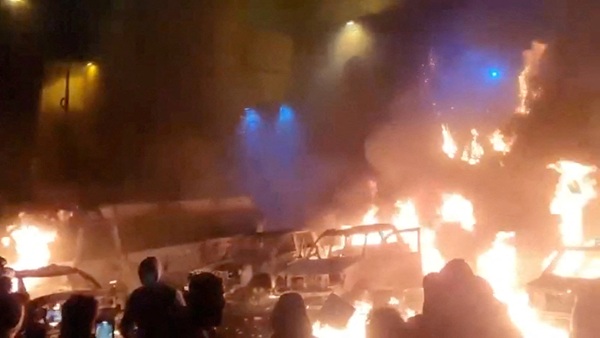
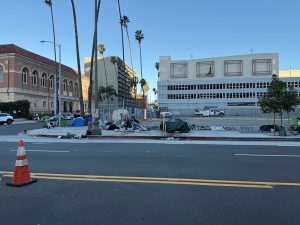
Urban centers like San Francisco, Los Angeles, and Portland are buckling under the weight of homelessness, crime, public disorder, and boarded-up businesses.
Without a solid tax base, what remains is a growing population of dependents with unlimited demands — a recipe for collapse.
Critics argue this is a self-defeating cycle, created and sustained by progressive mismanagement.
Internal Fractures and Shifting Public Sentiment
Within the Democratic Party, a rift is growing between moderate realists and far-left activists.
Slogans like “Defund the Police” and calls to abolish private property have damaged the party’s image with mainstream voters.
As a result, Latino, Asian-American, and working-class white voters are increasingly defecting to the Republican side in key battlegrounds.
The Limits of Tax Politics
The Democratic machine — long fueled by the formula of “tax the rich, fund the base, expand influence” — may have reached a breaking point.
Without a new paradigm, the current approach risks turning vibrant cities into failed social experiments.
And if leadership refuses to acknowledge reality, it’s not just the party that will pay — the country will, too.
When politics fail to adapt, cities fall.
The cost of “free” is becoming all too clear.
Now is the time to face it.